

The European Customs Union is undergoing its most ambitious reform since its creation. On 26 March 2026, the European Parliament and the Council reached a political agreement establishing a new customs framework based on three pillars:
- the abolition of the exemption for low-value parcels;
- the creation of a European Customs Authority;
- increased accountability for e-commerce platforms.
Several transitional measures will already apply from 1 July 2026.
The End Of The Customs Exemption For Low-Value Parcels
- A System that Became a Source of Distortion
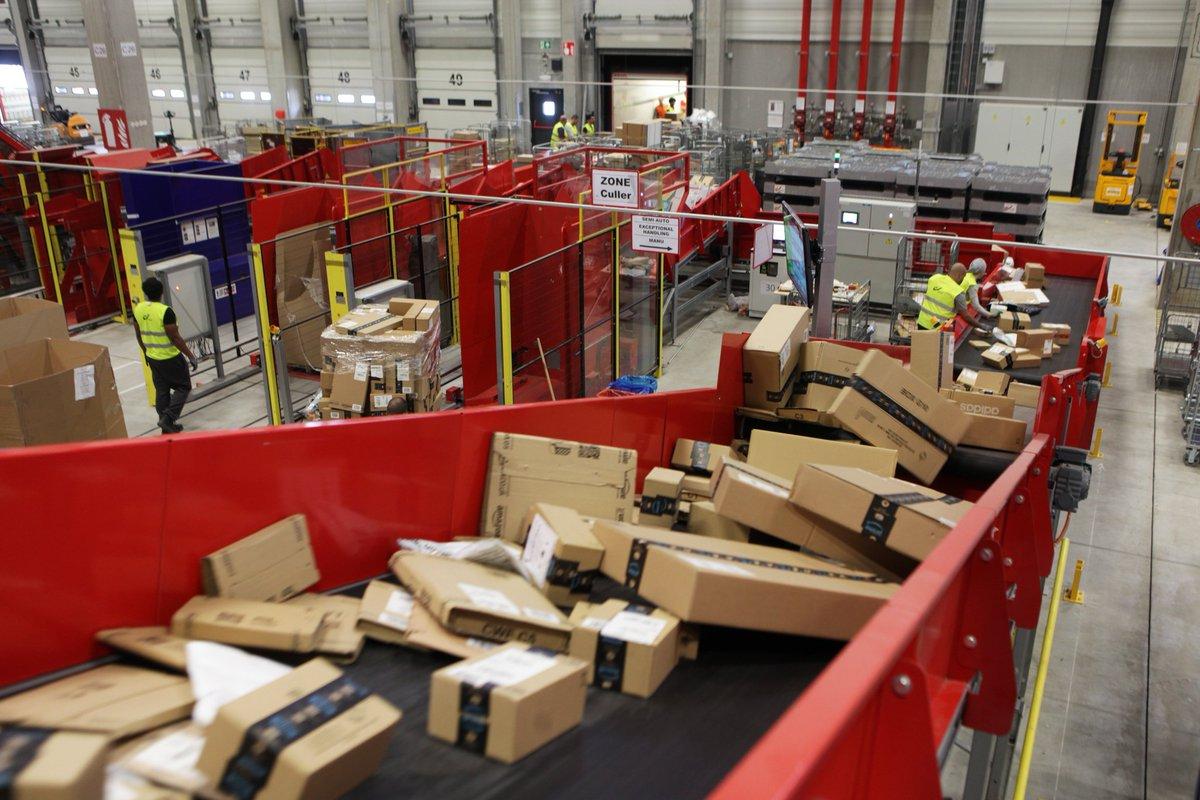
Since 2010, consignments from third countries with a value below EUR 150 benefited from an automatic exemption from customs duties.
This threshold, introduced at a time when international e-commerce was still marginal, has become a significant fiscal loophole. In 2024, 4.6 billion parcels valued below EUR 150 entered the Union market, 91% of which originated from China according to Commission data. Platforms such as Temu and Shein built their business models around this exemption, creating major competitive distortions to the detriment of operators established within the Union and exposing consumers to products that are often non-compliant.
- The Transitional Regime from 1 July 2026
From 1 July 2026, a flat fee of EUR 3 per parcel will apply to all low-value consignments originating from third countries. The Council has specified that the Commission will review this amount every two years. Any applicable national duties and VAT are added to this charge. Consequently, an item worth EUR 10 may now cost more than EUR 15 delivered.
The impact on cross-border drop shipping is immediate. Importers and logistics service providers must already update their general terms and conditions and their customs documentation.
Evolution Of The Institutional Framework

- The European Union Customs Authority
The agreement establishes the European Union Customs Authority (EUCA), whose headquarters will be in Lille. EUCA will begin operations in 2027 with an initial staff of approximately 250 officials.
Its role is not to replace national customs authorities, but rather to coordinate them through:
- risk management at Union level;
- issuing inspection recommendations to Member States;
- harmonising practices among the twenty-seven national customs administrations.
- The Customs Data Platform
EUCA will oversee a single portal, the EU Customs Data Hub, intended to replace the 111 national customs IT systems.
Businesses will no longer need to file declarations with 27 separate administrations. A single declaration will suffice, providing authorities with a real-time overview of supply chains and enabling risk-based targeting.
The platform will become available on a pilot basis from 2032 and will become mandatory no later than 2037.
Platform Accountability And The “Trust And Check” Status

- E-Commerce Platforms as Official Importers
The most significant innovation lies in the legal reclassification of platforms. Sellers and platforms facilitating distance sales from third countries will henceforth be treated as official importers.
They will therefore be required to:
- provide customs data;
- pay duties and taxes;
- ensure that goods comply with Union standards.
As a result, the declaratory and fiscal burden shifts from the end consumer to the platform itself.
A graduated system of financial penalties will apply in cases of repeated non-compliance, and authorities may ultimately designate an operator as “high risk”.
- The “Trust and Check” Status
The reform introduces a new accreditation, the “Trust and Check” status, complementing the existing Authorised Economic Operator (AEO) regime under Regulation (EU) No. 952/2013.
It is intended for companies willing to grant authorities access to their electronic systems and provide comprehensive data on their supply chains.
In return, participants will benefit from:
- fewer physical inspections;
- the ability to choose the place of customs clearance;
- in certain cases, immediate release of goods without active customs intervention.
Access conditions include:
- compliance with AEO criteria;
- at least two years of operating history;
- a real-time monitoring system.
For Belgian importers handling high volumes, this status represents a tangible competitive advantage.
Conclusion
The 2026 European customs reform redistributes legal and fiscal responsibilities across every link in the logistics chain.
Import-export operators should immediately assess the impact of the transitional regime applicable from 1 July 2026, review their reporting obligations and, for the most advanced organisations, consider applying for the Trust and Check status.
Digital platforms can no longer ignore their status as official importers without exposing themselves to substantial penalties. In the long term, customs compliance will become a discipline. Companies that prepare today will avoid the adaptation costs of tomorrow.
Vanbelle Law Boutique has more than three decades of experience in this area. Don’t hesitate to reach out if you need to check your situation or implement new regulations.

.png)