

Generative artificial intelligence has, in just a few years, become an indispensable working tool across many professions, including the legal sector.
However, a decision by the Liège Commercial Court on 31 March 2026 serves as a timely reminder that speed is no excuse for negligence. A lawyer from Liège was fined €500 after filing written submissions containing legal sources entirely fabricated by an AI system, without verifying their accuracy.
1. AI "Hallucinations": An Underestimated Reality with Very Real Consequences
AI specialists use the term hallucinations to describe the phenomenon whereby a language model generates false information that appears entirely credible.
.png)
In a legal context, this translates into references to court decisions that were never issued, statutory provisions that do not exist, or legal authors who never wrote the passages attributed to them.
The problem is not that AI makes mistakes—every tool can. The real issue is that AI makes mistakes with confidence. It presents fabricated information in the exact style of genuine legal references, complete with case numbers, dates, court names, and excerpts from judgments. For a busy or insufficiently cautious lawyer, these fabricated references can be virtually indistinguishable from authentic sources.
This is no longer a hypothetical risk. Belgian courts have already sanctioned lawyers on several occasions for the improper use of artificial intelligence. The Antwerp Court of Appeal, for example, ordered a lawyer to pay €25,000 after submitting pleadings based on non-existent case law and entirely invented legal sources, which the court described as "incoherent, completely irrelevant and devoid of legal merit." The Ghent Court of Appeal has likewise encountered AI-generated fictitious submissions in a family law case.
2. The Liège Decision: A Further Confirmation of This Judicial Trend
The recent decision of the Liège Commercial Court is part of this broader judicial trend. A lawyer from Liège submitted written pleadings containing case law references and legal sources generated by artificial intelligence without carrying out any verification of their authenticity.
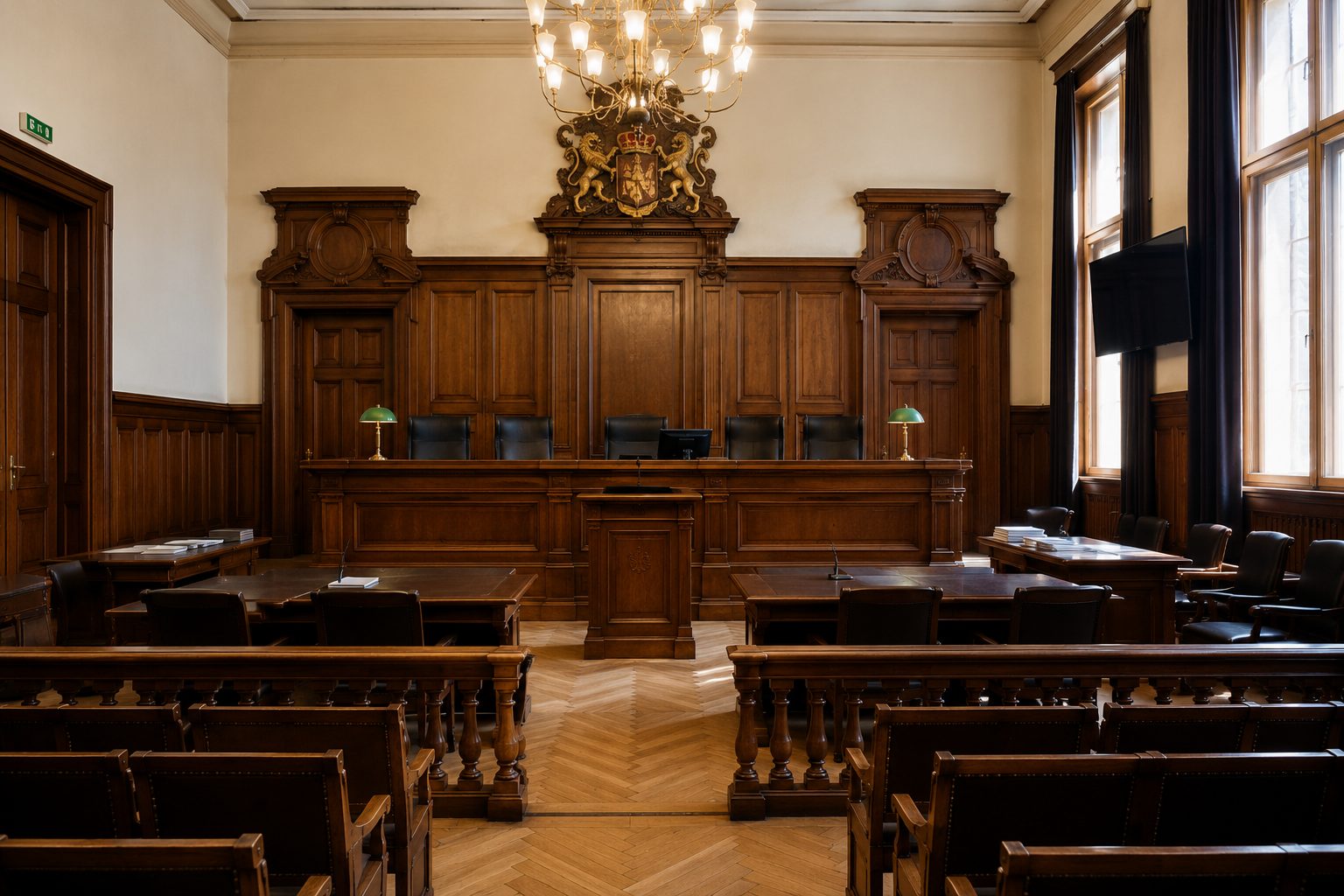
The court therefore imposed a €500 fine.
Although the amount is modest compared with the Antwerp case, the message is identical: using AI does not excuse the submission of inaccurate documents before a court. Lawyers remain personally and fully responsible for every document they sign, regardless of the tools used to prepare it.
3. Lawyers' Professional Duties in the Age of AI
The professional rules governing Belgian lawyers have always imposed duties of competence, diligence, and loyalty towards the courts.
In January 2025, avocats.be published specific guidelines on the use of AI by lawyers, establishing a framework that respects professional ethical principles. These guidelines strongly emphasize that a lawyer who signs a document implicitly certifies that its contents have been verified. Responsibility cannot be delegated to technology.
The French-speaking Brussels Bar Association went even further by developing both a charter and a contractual clause for clients, defining the conditions under which AI may be used in handling legal matters. This initiative reflects the legal profession's growing awareness of the specific risks associated with the uncontrolled use of AI tools.
4. A Global Phenomenon
Belgium is far from alone in facing this challenge. Worldwide, more than 1,600 judicial decisions are now estimated to involve AI hallucinations appearing in legal filings. The United States leads this unfortunate ranking with more than 1,100 reported cases, but Europe has not been spared.
.png)
The sanctions imposed around the world demonstrate increasing judicial severity. In the United States, lawyers have been fined more than $100,000, disbarred from certain courts, or required to complete mandatory training. In France, around ten lawyers have already been sanctioned for citing AI-generated fictitious case law.
This global trend confirms that courts increasingly regard this type of conduct as serious professional misconduct rather than a simple technical mistake.

.png)