
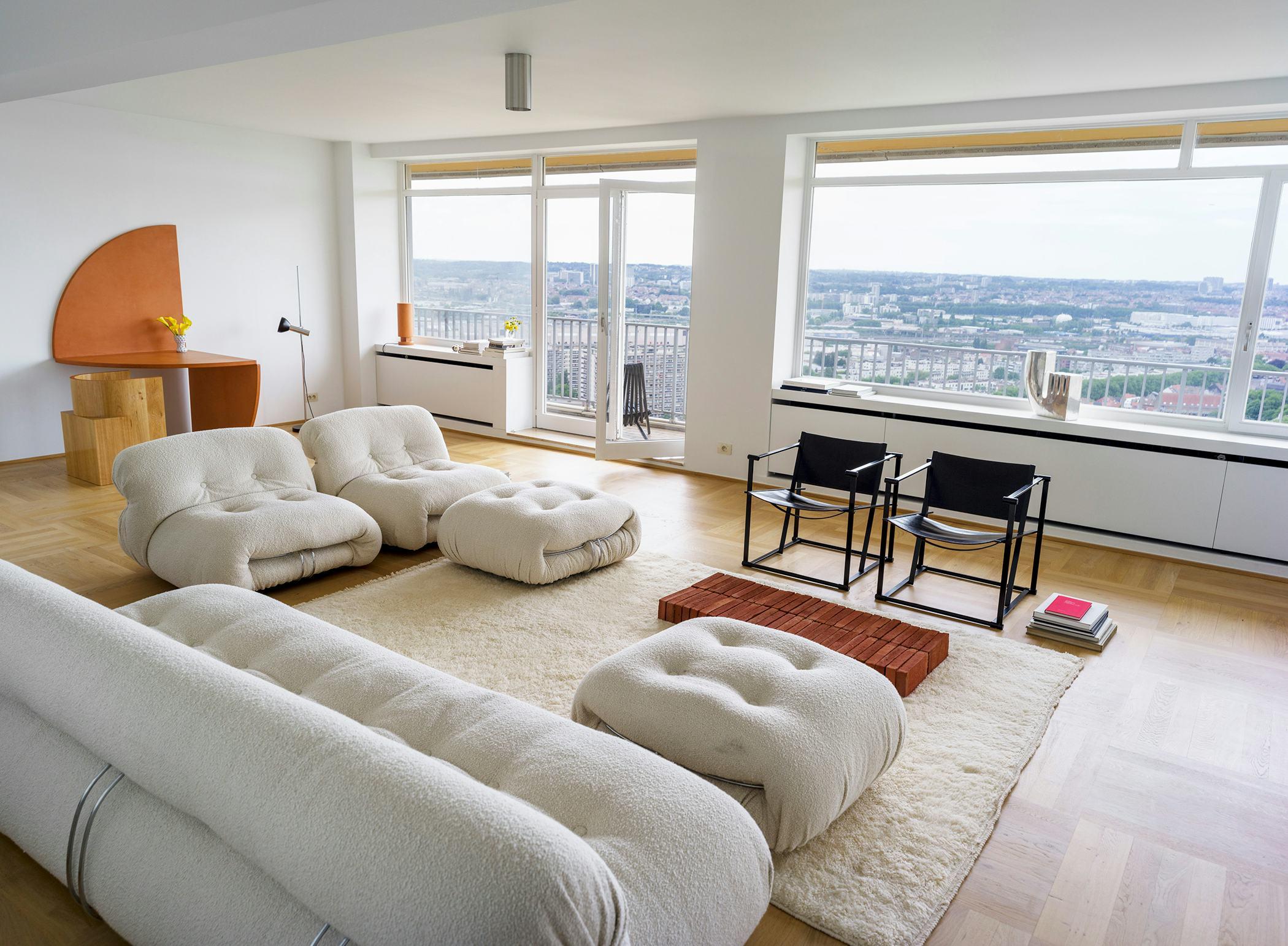
On 1 June 2026, the Antwerp Court of First Instance, Antwerp Division, sentenced two companies to a fine of EUR 28,000 each (suspended for three years), ordered the confiscation of EUR 62,500 in profits derived from the rentals, and ordered that the apartments concerned be returned to the residential market.
This decision is a strong reminder that tourist rentals via Airbnb are not exempt from planning law, and it provides an opportunity to examine why so many property owners turn to this type of rental and what the legal limitations of this practice are.
Why choose Airbnb rather than a traditional rental or hotel operation?
Before analysing the decision, it is useful to understand why the “Airbnb” model, i.e. short-term tourist rentals, is so attractive to property owners and investors and how it fundamentally differs from a traditional residential lease or a hotel operation.
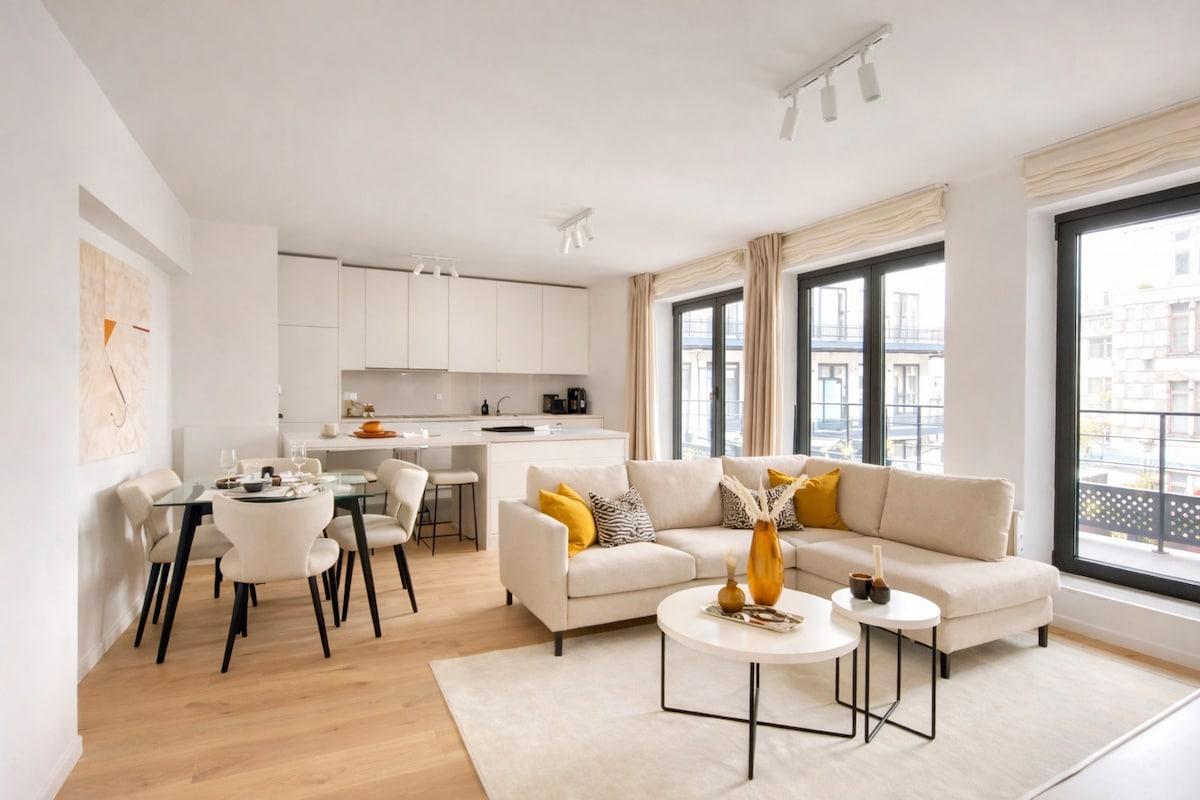
Compared with a traditional residential rental, short-term tourist rentals offer several advantages:
- generally higher rental returns, thanks to nightly pricing that allows the tourist value of the property to be captured, particularly in major cities;
- greater flexibility for the owner, who is not bound by the protective rules applicable to a principal-residence lease (minimum duration, notice periods, regulated indexation, the tenant’s right of pre-emption, etc.);
- finally, from a tax perspective, the treatment of the income depends, among other things, on how you operate the property. If you rent it out only occasionally, without providing significant services to the occupants, the income is in principle not considered professional income.
In that case, the income is, in theory, divided into two parts. The part corresponding to the accommodation is taxed on the basis of the cadastral income, rather than directly on the amount of rent actually received. The part corresponding to the furniture (furniture, equipment, etc.) is considered movable income: a flat-rate deduction of 50% of expenses may be applied, after which the balance is taxed at 30% (Articles 7, § 1, 2°, a) and 17 of the Belgian Income Tax Code 1992). However, very often, no income is declared on the grounds that the property is being rented out to private individuals on a short-term basis.
Conversely, if your activity becomes sufficiently regular and organised to be considered a professional activity, the income is taxed at the progressive rates of personal income tax, to which municipal surcharges may be added. Other obligations may also apply, particularly with regard to VAT and social security contributions.
Compared with a hotel operation, renting through Airbnb in principle allows the operator to avoid a significantly more restrictive regulatory framework. A traditional hotel must comply with regional conditions relating to tourist accommodation, which impose enhanced fire-safety standards, detailed operating requirements and mandatory registration. Occasional small-scale tourist accommodation, on the other hand, benefits from a lighter regime: it remains subject to the registration requirement but, in principle, is not considered to entail a change in the planning designation of the property, unlike a structured hotel operation.
It is precisely this difference in regulatory and tax treatment that explains why the companies convicted in Antwerp had an interest in having their activity classified as a mere collection of independent “small-scale tourist accommodation” units rather than as a single hotel operation: this would, at least in their view, allow them to avoid both the planning permit required for a change of use and the requirements applicable to traditional hotels.
One building, one operation: the court’s reasoning
In the case heard in Antwerp, two companies — one the owner and the other the tenant of a building containing 25 apartments located on Italiëlei in Antwerp, authorised for residential use — had been renting out 23 of the 25 apartments via Airbnb for short-term tourist stays since 2022, without having applied for the planning permit required for this change of use. They argued that each apartment should be assessed separately, as a “small-scale tourist accommodation” unit not requiring authorisation.
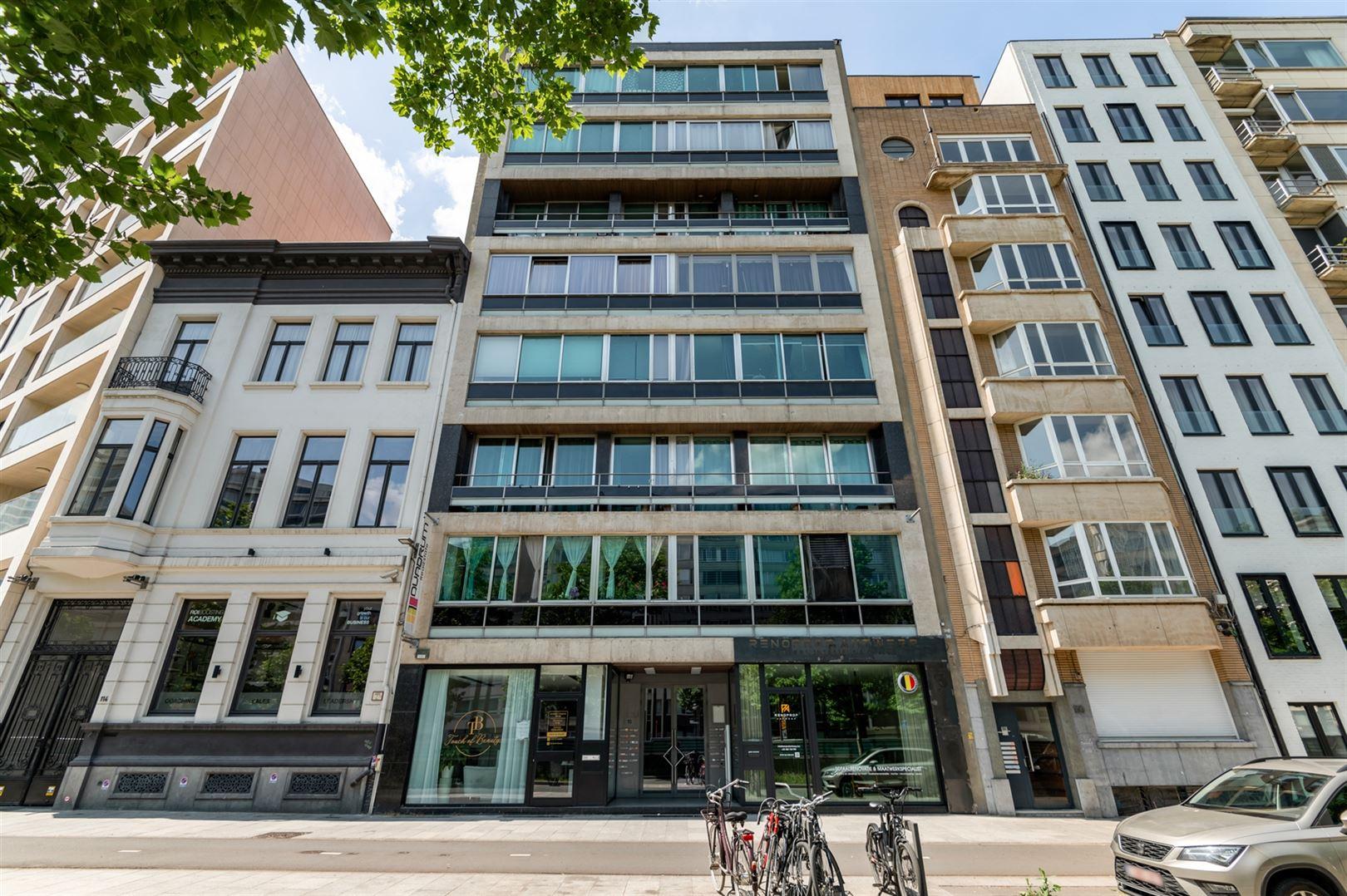
The court rejected this interpretation: all of the rented units had to be regarded as a single entity, operated in a structured and professional manner.
Accepting the opposite reasoning would mean allowing any hotel to artificially split itself into separate units in order to avoid the requirement for a permit. The court therefore found two breaches of the applicable planning regulations: the unauthorised change from residential use to recreational accommodation use, and the unauthorised reduction in the number of dwellings in the building, which had thereby been reduced from 25 residential units to 2.
Thus, renting several apartments separately on Airbnb does not necessarily mean that each dwelling will be regarded as a separate activity: where the operation is structured and covers almost the entirety of the same building, it may be reclassified as a single operation comparable to a hotel. The court also considered it an aggravating circumstance that the defendants were carrying out the activity professionally in the sector.
Significant financial consequences
The financial consequences illustrate the seriousness with which this type of offence is now being treated: each company was sentenced to a fine of EUR 28,000, suspended for three years, and the court ordered the confiscation of the financial benefits derived from the unlawful rental activity, amounting to EUR 37,500 for one of the companies and EUR 25,000 for the other, i.e. EUR 62,500 in total.
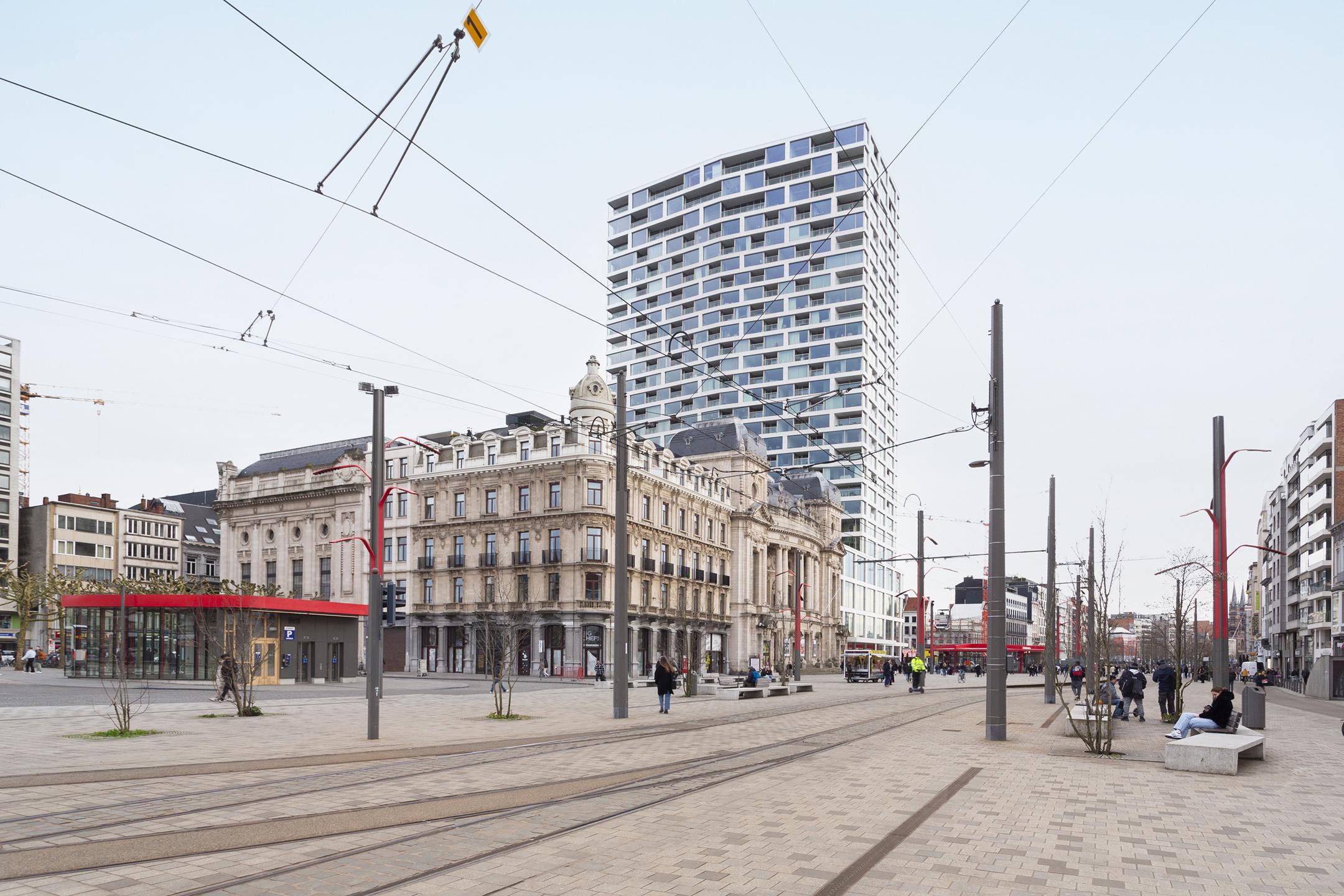
At the request of the Mayor of the City of Antwerp, the court also ordered the cessation of the unlawful use of the premises within two months and the return of the apartments to the residential market (by sale or rental in accordance with their residential designation) within six months, subject to a penalty payment of EUR 1,000 per defendant, per apartment and per day of delay.
What you should check before getting started
Before offering a property for tourist rental, it is not enough to comply with the conditions imposed by the platform used. You should also check:
- the authorised planning designation of the property and whether the proposed activity entails a change to that designation;
- whether a planning permit for a change of use is required under the applicable planning regulations in the relevant Region;
- whether registration with the regional government is required — this requirement applies even to occasional or short-term rentals;
- whether several dwellings within the same building, rented out by the same operator or group of related companies, risk being regarded as a single operation rather than as separate “small-scale tourist accommodation” units;
- whether the structured, recurring and professional nature of the rental activity could lead to the income being reclassified as professional income — with the resulting consequences in terms of VAT, social security contributions and corporate income tax — rather than as real estate and movable income taxed more favourably.
The “Airbnb” classification is therefore not an autonomous legal status: it does not exempt the activity from planning law, tourist accommodation regulations or, where applicable, tax reclassification. Its advantages — simplicity, returns and flexibility — are accompanied by clear limitations that the public authorities are now determined to enforce, as demonstrated by this decision.
It is from this perspective that Vanbelle Law Boutique assists property owners and investors in structuring and safeguarding their real estate projects, identifying in advance the required planning authorisations and other permits, as well as the tax risks associated with the intended operation, so that choices made today do not result tomorrow in unforeseen planning or financial consequences.

.png)